

 6 minutes
AI Voice Agents: How They Actually Work & Why They Sound So Human
Recognize the core architecture of a voice agent and the failure points that affect customer trust in real calls.
AdvancedAutomations
Sequoia Capital. Bret Taylor walks through the shift from per-seat SaaS to outcomes-based pricing — what to anchor on (resolution, CSAT, NPS), why incumbents struggle to follow, and how vertical specialisation creates pricing power. It directly mirrors the article's pricing and margin sections.
Listen for the anchors — resolution, CSAT, NPS — and test them against your own product; that mapping is what the article's pricing and margin sections build on.
Evaluate AI product pricing and specialization around measurable outcomes rather than seat counts.
None — but it lands best if you own pricing or product decisions for an AI product.
Last reviewed: May 18, 2026
Continue through the same learning path with the next curated companion videos.
6 minutesRecognize the core architecture of a voice agent and the failure points that affect customer trust in real calls.
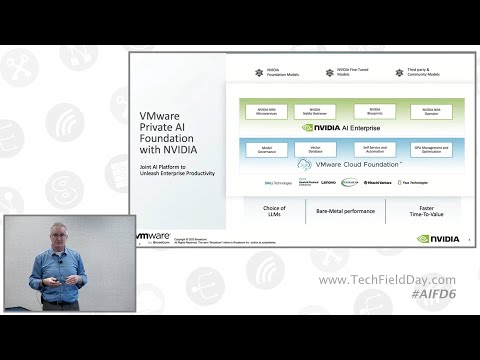 37 minutes
Evaluate private AI as an infrastructure and governance decision instead of defaulting to either SaaS or self-hosting by instinct.
 17 minutes
Set up a multi-agent coding workflow with explicit review boundaries so generated changes stay small, tested and owned.
Hand-picked external courses that go deeper on this topic.
 Coursera · Emory University
Emory University Goizueta Business School faculty
The deeper, university-level counterpart to our beginner HubSpot marketing pick — Emory's business-school treatment goes past 'how to prompt' into training generative models for brand-specific output, the purchase-funnel economics of AI-generated content, and a full module of genuine skepticism about when generative AI is and isn't worth using in marketing.
 Coursera · IBM
IBM AI Academy
The genAI-era answer to the executive-strategy question. Three short courses aimed squarely at business leaders — no technical background required — on where generative AI creates value, how to govern it responsibly, and how to turn a vague "we should use AI" into a concrete, defensible use case. Rated 4.6 across ~700 reviews. Best taken before your next AI budget decision.