

 69 minutes
The Agent Landscape - Lessons Learned Putting Agents Into Production
Recognize the failure modes your own agents will hit first and pre-plan the tests, fallbacks and kill criteria for each.
AdvancedAI Safety & Data Privacy
Y Combinator. A concrete senior-engineering walkthrough rather than a panel: Holtz compares Claude Code and Codex, orchestrates several coding agents in parallel, and marks "slop-free zones" where generated code is not allowed to land unreviewed. The setup embodies the article's rules — repository context, small reviewable patches, and the human staying architect while the agents do the typing.
Holtz builds Conductor, one of the tools shown, so treat the tool choices as one practitioner's stack rather than a ranking. The durable part is the discipline: parallel agents, human architecture ownership and zones where slop cannot land.
Set up a multi-agent coding workflow with explicit review boundaries so generated changes stay small, tested and owned.
Experience reviewing pull requests and running at least one AI coding assistant against a real repository.
Last reviewed: Jul 20, 2026
Continue through the same learning path with the next curated companion videos.
69 minutesRecognize the failure modes your own agents will hit first and pre-plan the tests, fallbacks and kill criteria for each.
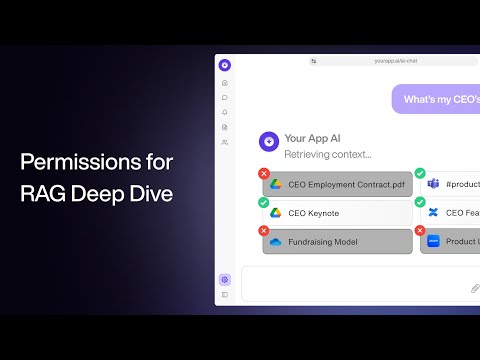 20 minutes
Evaluate practical access-control patterns for company knowledge RAG before indexing sensitive internal documents.
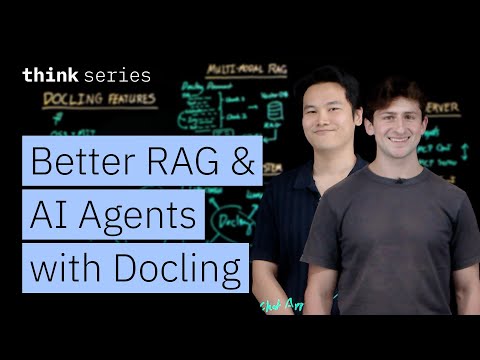 7 minutes
Understand why document parsing, structure preservation and ingestion quality gates matter before building RAG over PDFs and mixed file formats.
Hand-picked external courses that go deeper on this topic.
 Coursera · Emory University
Emory University Goizueta Business School faculty
The deeper, university-level counterpart to our beginner HubSpot marketing pick — Emory's business-school treatment goes past 'how to prompt' into training generative models for brand-specific output, the purchase-funnel economics of AI-generated content, and a full module of genuine skepticism about when generative AI is and isn't worth using in marketing.
 Coursera · IBM
IBM AI Academy
The genAI-era answer to the executive-strategy question. Three short courses aimed squarely at business leaders — no technical background required — on where generative AI creates value, how to govern it responsibly, and how to turn a vague "we should use AI" into a concrete, defensible use case. Rated 4.6 across ~700 reviews. Best taken before your next AI budget decision.