Habits & Goals
Turn vague goals into experiments and design habits with cues, friction, and recovery.
12 stories (12 articles · 0 videos)
Start here
A few good first pieces before you browse the full feed.
 8 min read
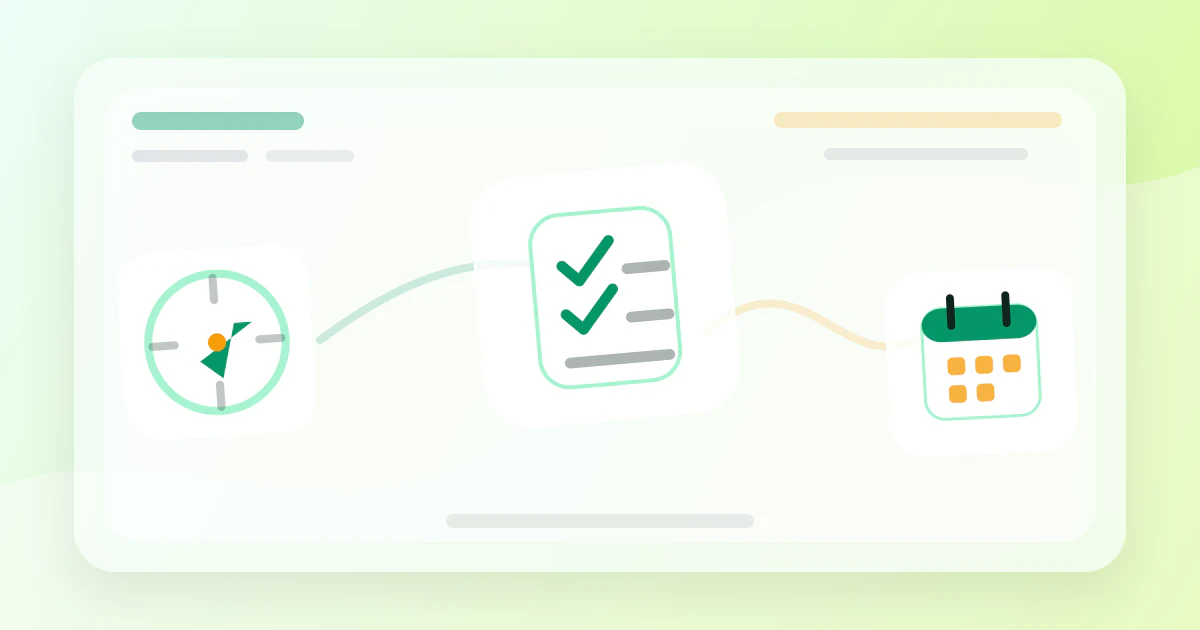
Goals that survive contact with reality
Most goals fail quietly, not dramatically — they just lose to time, energy, and competing responsibilities. A workflow for turning a vague goal into a testable two-week experiment, with AI as the stress-tester, not the motivator.
Beginner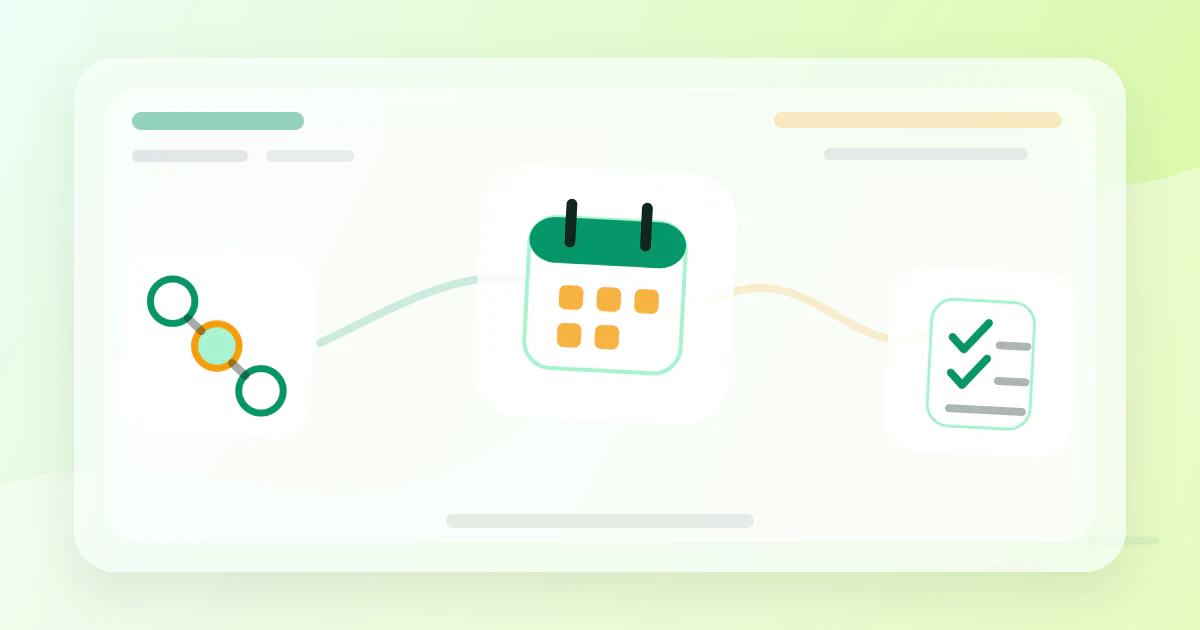 9 min read
Design a habit with cues, friction, and a recovery rule
Motivation and streaks are not a habit-design system — they are what you fall back on when there isn't one. A workflow for designing a single habit around a cue, environment, and a recovery rule for the day it inevitably breaks.
BeginnerMore in this topic
 9 min read
Read less, remember more: an AI-assisted reading loop
Asking AI to summarize a document is the fastest way to feel informed and forget everything by Friday. A reading workflow — preview, active questions, unaided recall, source-checked synthesis — that keeps you the one who understood the text.
Beginner 9 min read
After redundancy or mid-life disruption: use AI for administration, not identity
The day your job ends, urgent paperwork, career questions, and emotional weight can arrive together. Use official sources for deadlines, structured tools for exploration, and people for accountable support; AI may assist with writing but should not replace any of them.
New to AI 9 min read
Deliberate practice with AI: feedback that makes you do the work
The fastest way to make AI-assisted practice useless is to ask for the answer before you have attempted the problem. A practice-loop workflow — subskill, rubric, attempt, feedback, retry — that keeps the effort where the learning actually happens.
Beginner 9 min read
Keep your taste: AI in a creative practice
AI can accelerate almost every stage of a creative practice. That is exactly the problem: convenience does not ask whether a stage was where your judgement lived. A map for deciding what to accelerate, what to keep human, and how to handle copyright, consent, and disclosure along the way.
Beginner 9 min read
A personal knowledge system that helps you retrieve, not hoard
A bounded capture-to-retrieval system with explicit use cases, retrieval tests, review dates, deletion rules, and warnings about sensitive notes, other people's data, and provider-held accounts.
Intermediate 9 min read
Plan with energy, not just time
A calendar with no free slots is not the same as a week that can actually hold hard thinking. A workflow for logging real energy patterns for a week and building a plan that puts demanding work where your capacity actually is.
Beginner 9 min read
Procrastination as friction: find the next visible action
Treat an avoided task as a stuck point to investigate, not a character verdict. A six-branch heuristic and a five-minute experiment can help you name one visible next action without pretending to diagnose the cause.
New to AI 9 min read
Build a skill curriculum from outcomes, not a pile of links
A method for turning a target capability into prerequisites, practice tasks, evidence, and review checkpoints — instead of a bookmark pile of courses you never finish.
Intermediate 8 min read
The weekly review: find the patterns, keep the judgement
Use AI to suggest themes in low-risk notes, check every quotation against the source, and choose your own next step. Repetition is a clue, not a verdict.
Beginner 8 min read
Career reinvention: map transferable evidence before chasing titles
A practical way to turn past work into evidence-backed capabilities, test a possible new direction, and identify the smallest credible next step without asking AI to choose your career.
Beginner