用AI学习
将AI用作导师、测验伙伴、研究助手和基于来源的学习伙伴。
23 项内容 (13 篇文章 · 10 个视频)
从这里开始
浏览完整内容之前,先阅读几篇推荐文章。
此主题下的更多内容
 7 分钟阅读
多年后重返学业:一份把思考留给自己的复学计划
重返正规学习时,学科知识、信心、无障碍支持、时间和生活安排等方面的困难因人而异。一份以教学大纲为依据的计划可以用AI安排进度,同时把受评估的思考留给学习者本人。
初级 7 分钟阅读
把思考外包出去时,什么会退化
每次都让模型为短文、邮件和论证起草开头,可能会减少你亲自练习的机会。技能保全审计——基线、独立尝试、辅助阶段、独立检查——可以让这项取舍清晰可见,但不会声称它会造成永久认知衰退。
初级 7 分钟阅读
用AI支持神经多样性学习者,但不让AI作诊断
一种审慎的做法:与学习者、教师和既有支持计划共同探索AI辅助的形式或节奏调整,同时不让AI给孩子作诊断,也不默认撤回已有的便利措施。
初级 9 分钟阅读
少读一点,多记住一点:AI辅助阅读循环
让AI总结文档,是最快产生“已经了解”的感觉、却在周五前忘得一干二净的方法。这套阅读流程包括预览、主动提问、独立回忆和经来源核对的综合,确保真正理解文本的人仍然是你。
初级 9 分钟阅读
用AI做刻意练习:让你亲自下场的反馈
让AI辅助练习失去作用的最快方式,就是还没尝试解题便索要答案。这套练习循环包括子技能、评分标准、独立尝试、反馈和重试,把努力留在真正发生学习的地方。
初级 9 分钟阅读
从成果构建技能课程,而非一堆链接
一套把目标能力拆成先决条件、练习任务、证据和审阅检查点的方法,而不是堆积一批永远学不完的课程链接。
中级 7 分钟阅读
间隔、检索与交错练习:让AI做适合它的工作
围绕三种有证据支持的学习方法建立实用系统,其中两种证据较强,一种仍需谨慎看待。AI负责准备问题和反馈,你负责从记忆中检索答案并辨别不同题型。
初级 7 分钟阅读
为什么AI的解释让人感觉学会了——其实往往没有
一段流畅的解释,可能在你真正能运用之前,就让一个主题显得熟悉。这三项检验能揭示:AI是帮你学会了,还是只是帮你跟上了。
AI新手 8 分钟阅读
深度研究模式:界定问题并审查来源
Deep Research是ChatGPT、Gemini、Claude、Perplexity及类似工具中的多步骤网络研究模式,可在较长的自主运行后返回一份带引用的结构化报告。本指南介绍如何界定问题、审查来源,以及何时不应使用它。
初级 10 分钟阅读
面向非工程师的MCP:将Claude或Cursor连接到你的工具
MCP是将AI连接到工具的新标准。无需亲自编写MCP,也能从中受益。这份面向非工程师的指南将说明MCP是什么、应安装哪些服务器,以及当AI真正能够执行操作后可以实现什么。
中级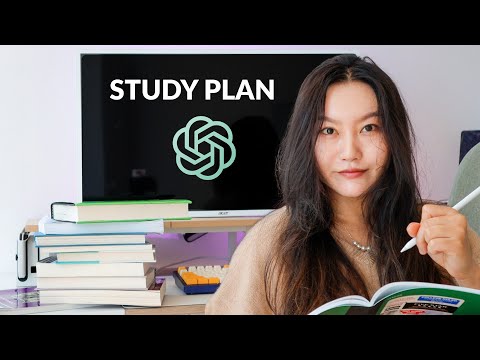 17 分钟
17 分钟如何借助ChatGPT成为高效学习者
Tina Huang. 视频介绍了Huang为准备Meta面试而在11天内学习SQL时采用的结构化自学体系,包括主动回忆、间隔重复,以及使用ChatGPT生成练习题并解释错误。首选视频解决“如何制定计划”,这段视频则很适合作为后续,帮助你了解“如何真正执行计划”。
初级 22 分钟
22 分钟如何用ChatGPT快速学会编程(真的会改变你的学习方式)
Tina Huang. 视频提供了一套学习计划提示词模板(“扮演一名负责制定学习计划的编程导师……”),它会根据学生的目标、可投入时间和资源偏好生成结构化计划。视频以编程为例,但这种提示词模式正是文章用于任何30天学习冲刺的方法。
初级 22 分钟
22 分钟21分钟学会用AI分析数据
Tina Huang. Tina将Perplexity Deep Research以及ChatGPT、Claude的分析模式放进分析师的日常工作情境中,展示如何汇总市场信号、开展探索性数据分析并生成结构化输出。如果你想了解这类功能除了学术文献综述还能做什么,这段视频正好可以作为首选视频的补充。
初级 14 分钟
14 分钟如何使用ChatGPT Deep Research,节省数小时研究时间
Andy Stapleton. Stapleton用深度研究处理它最擅长的典型任务:在范围、时间区间和结构都明确的情况下开展文献综述。他展示了通过澄清问题确认需求、等待10分钟、获得涵盖40个来源的输出这一完整过程,也指出了引用和语气仍需人工审核之处。他还坦率说明了功能局限,例如无法导出BibTeX,选择来源时偶尔过于宽松。
初级 32 分钟
32 分钟如何借助AI以快于他人10倍的速度学习任何知识
Dan Koe. 从另一个角度解决同一个问题:选择一个真实项目,再让AI只呈现完成项目所需的知识。如果你更适合边做边学,而不是先学习再实践,这段视频正好可以与Mike and Matty的视频形成互补;它也委婉地反驳了“继续上更多课程”的本能反应。
AI新手 10 分钟
10 分钟如何使用ChatGPT快速学习任何知识|借助AI学习的完整指南
Mike and Matty. 一套10分钟框架——构建(Construct)、连接(Connect)、挑战(Challenge)——并为每个阶段提供具体的ChatGPT提示词:让它拟订教学大纲、提供类比、设计练习测试,以及对你的解释给出反馈。这些提示词几乎适用于从生理学到编程的任何学科,理念也与文章完全一致:把AI当作老师,而不是思考的替代品。
AI新手 20 分钟
20 分钟模型上下文协议(MCP)
Anthropic. 协议设计者Theo Chu、David Soria Parra和Alex Albert亲自讲解了MCP为何存在、它的组成部分(服务器、客户端和传输机制)、自2024年11月发布以来的反响,以及他们日常实际使用哪些服务器。看完Nate Herk的概览后,这是一份很有价值的权威资料。
中级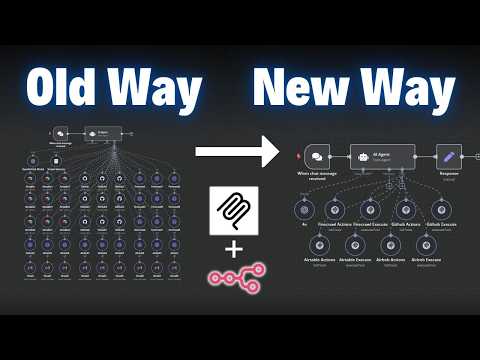 16 分钟
16 分钟MCP如何让智能体更聪明(面向非技术人员)
Nate Herk | AI Automation. 视频不用术语,只花16分钟就解释清楚了什么是MCP服务器、Claude和n8n等客户端如何使用它们,以及接入MCP后你的实际操作会发生哪些变化。这与文章“将Claude或Cursor连接到你的工具”的切入角度几乎完全一致。
中级 28 分钟
28 分钟35+种不可思议的NotebookLM免费用法
Matt Wolfe. 了解基础知识后,这段视频很适合作为第二段观看。Matt逐一介绍了许多不太明显的用法,例如将一本书转化为学习指南、根据竞争对手发布的内容为自己制作简报,以及从装有PDF的文件夹生成思维导图。这些示例能帮助你理解“基于来源的笔记本”这一模式究竟有多灵活。
初级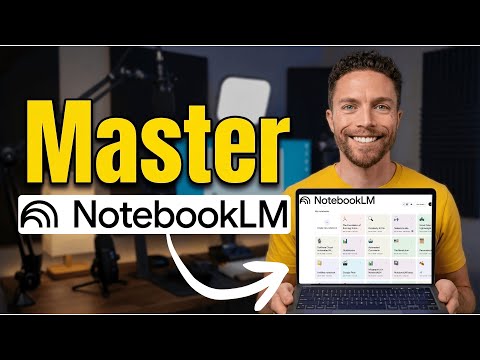 35 分钟
35 分钟如何在2026年精通NotebookLM(免费课程)
Paul J Lipsky. 视频以三个清晰步骤组织内容:筛选整理来源、提出正确的问题、生成最终成果。这与文章建议你理解NotebookLM的方式几乎一一对应。视频发布得足够新(2026年初),与当前界面一致,并涵盖Studio、音频概览和思维导图。
初级