

Companion videos

ChatGPT Voice mode: talking to AI like a friend — companion videos

The article walks through what voice mode is good at, what it's awkward at, and which conversations are worth having out loud instead of typed. These two videos show you the feature live — a short clip that puts two voice instances in a conversation together so you can hear what "real-time, interruptible, emotional" actually sounds like, and the original 2024 launch keynote where most people first saw it.

Primary pick

3:25
Two GPT-4os interacting and singing

OpenAI

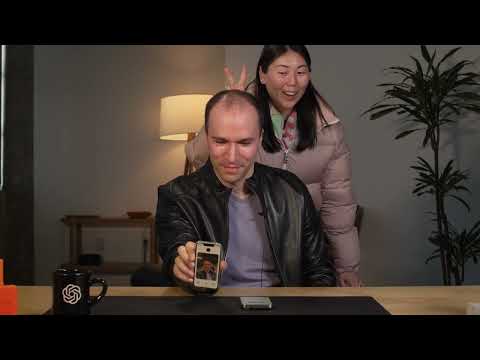
Two instances of voice mode talking to each other, one of which has camera access to describe the room. Three minutes long and the most efficient way to internalise what makes voice mode different from old "press the microphone, wait, listen" interfaces — interruption, tone, music, real-time vision, all in one clip.

What you should get from this: See multimodal voice interaction quickly, especially interruption, tone and camera-aware conversation.

Watch or know first: Know that demo behavior may differ from the product, region and account tier available to you.

AI Expert note: Keep this as a short intuition pump only. Do not treat it as evidence that a production voice agent can safely handle real users without disclosure, logging boundaries, fallback and human escalation.

Open video page

Also worth watching

26:13
Introducing GPT-4o

OpenAI

This is the May 2024 keynote where ChatGPT's real-time voice mode was first demoed. Mark Chen does the breathing-exercise demo, Barrett Zoph does the math-tutor demo, and then they switch to real-time Italian–English translation. Twenty-six minutes of "ah, that's what they mean by talking to AI like a friend." The model and capabilities shown have only improved since.

What you should get from this: Understand why real-time conversational voice feels different from dictation or classic voice assistants.

Watch or know first: None, but watch it as a launch demo rather than a current product manual.

AI Expert note: This is historically useful, not a current capability spec. Before using voice in real customer or employee workflows, verify current consent, recording, retention, language, accessibility and escalation controls.

Open video page