

AI Literacy by Age
Age-band explanations, supervision, and a supervised first conversation with a child.
18 contenus (15 articles · 3 vidéos)
Commencez ici
Quelques bons contenus pour débuter avant de parcourir l’ensemble du flux.
 8 min de lecture
Culture de l'IA selon l'âge : à quoi s'attendre entre 6 et 16 ans
Une matrice par tranches d'âge — autour de 6, 10, 13 et 16 ans — pour comprendre ce qu'un enfant peut saisir de l'IA, le degré de supervision dont il a besoin et les véritables limites d'âge des produits, sans faire d'un âge précis un seuil absolu.
Découvrir l’IA 8 min de lecture
La première conversation d'un enfant avec l'IA : un déroulé pour l'adulte qui l'accompagne
Un guide pas à pas pour la première conversation supervisée d'un enfant avec l'IA, construit autour d'un test de réponse erronée, d'une vérification des sources, d'une pause consacrée à la vie privée et d'une réflexion finale, le tout depuis le compte d'un adulte.
Découvrir l’IAPlus de contenus sur ce thème
 8 min de lecture
Élever des enfants qui restent auteurs de leur propre vie
Les règles de temps d’écran au niveau des applications répondent à « combien d’IA ». Elles ne répondent pas à la question plus difficile : lesquelles, parmi les activités de choix, de décision, de création et de relation qui font le propre de l’enfance, doivent rester celles de l’enfant, même lorsque l’IA devient ambiante dans les devoirs, les applications d’amitié et les jeux. Un cadre de pratique sur six domaines donne aux familles et aux écoles une règle de décision, pas seulement une limite de temps.
Intermédiaire 7 min de lecture
Aide aux devoirs par l'IA ou triche : un arbre de décision selon l'objectif d'apprentissage
Un arbre de décision pour déterminer quand l'IA apporte une aide légitime aux devoirs et quand elle se substitue à l'apprentissage que le devoir doit évaluer, ainsi que les raisons pour lesquelles les règles de l'école priment sur les préférences familiales.
Débutant 7 min de lecture
Utiliser l'IA pour soutenir un apprenant neurodivergent, sans diagnostiquer personne
Une méthode prudente pour étudier, avec l'apprenant et l'enseignant et dans le respect du plan d'accompagnement existant, des changements de format ou de rythme assistés par l'IA, sans diagnostiquer l'enfant ni supprimer ses aménagements par défaut.
Débutant 9 min de lecture
Si un enfant est la cible d'un deepfake : les premières mesures à prendre
Que faire dans les premières heures si un enfant a été ciblé par une image ou une vidéo générée par l'IA : préserver les preuves correctement, limiter la diffusion, impliquer l'enfant, et notifier la plateforme, l'école ou les autorités – sans jamais télécharger ni transmettre de contenu illégal.
Débutant 7 min de lecture
Ce produit d'IA est-il sûr pour les données de mon enfant ? Une liste de contrôle de confidentialité
Une liste de contrôle en sept points – âge, collecte, conservation, entraînement, partage, contrôles et suppression – pour déterminer si un produit d'IA peut passer à un examen plus large, exige des mesures particulières ou ne doit pas encore recevoir les données de votre enfant.
Débutant 6 min de lecture
Votre enfant et l'IA : regardez la relation, pas seulement l'horloge
Le temps n'est qu'un aspect de l'usage de l'IA par un enfant. Ce guide d'observation non diagnostique prend aussi en compte l'activité, l'attachement, le déplacement, la confidentialité et le vécu de l'enfant, avec une aide qualifiée en cas de changements préoccupants.
Débutant 6 min de lecture
Ne donnez pas d'ami IA à un enfant : les signaux d'alerte et que faire à la place
Une position claire et sept signaux d'alerte concrets — anthropomorphisme, secret, dépendance, contenu sexuel, monétisation, mémoire et difficulté à partir — pour comprendre pourquoi les applications d'IA de type compagnon ne conviennent pas aux enfants, ainsi qu'une manière calme d'aborder le sujet.
Découvrir l’IA 6 min de lecture
Rédigez avec vos enfants un accord familial sur l'IA
Un accord familial sur l'IA en sept clauses – comptes, données privées, devoirs, applications de compagnie, création, achats et demande d'aide – rédigé avec l'enfant, pas remis tout fait.
Débutant 6 min de lecture
Parler de l'IA avec les adolescents : un dialogue, pas un contrôle
Un guide pour parler avec un adolescent de son utilisation de l'IA en commençant par l'écouter : reconnaître les incertitudes, fixer de vraies limites et convenir d'une date pour refaire le point, sans justifier vos questions par la surveillance.
Découvrir l’IA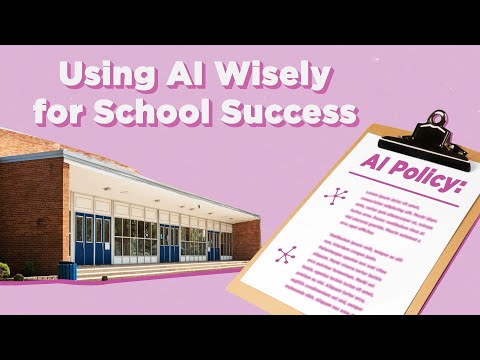 4 minutes
Utiliser l’IA avec discernement pour réussir à l’école
Common Sense Education. La courte vidéo explicative de Common Sense Education établit une distinction proche de celle de l'article : l'IA comme aide à l'apprentissage, plutôt que comme raccourci qui dispense d'apprendre.
Débutant 57 minutes
Ami ou ennemi ? Vivre avec l’intelligence artificielle et en tirer des leçons
Common Sense Media. Cette table ronde de Common Sense Media examine directement les risques que les compagnons d'IA présentent pour les enfants et apporte du contexte à la position prudente de l'article concernant les « amis » IA.
Découvrir l’IA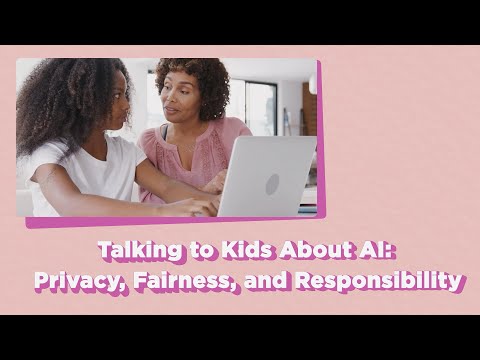 5 minutes
Parler aux enfants de l’IA : confidentialité, équité et responsabilité
Common Sense Education. Elle propose un cadre direct et adapté à l'âge pour parler avec les enfants et les adolescents de la vie privée, de l'équité et de la responsabilité en matière d'IA, conformément à l'objectif du guide de conversation.
Découvrir l’IA 7 min de lecture
Votre IA vous donne trop souvent raison : quatre défaillances d’un partenaire de réflexion
L’IA peut vous aider à examiner une décision, mais elle reprend aussi votre cadrage, donne trop de poids à une prose assurée et vous incite discrètement à lui déléguer votre jugement. Voici comment repérer chaque défaillance.
Débutant 7 min de lecture
Pratique espacée, rappel actif et entrelacement, avec l’IA dans le bon rôle
Construisez un système d’étude pratique autour de trois techniques étayées par des données probantes : deux bénéficient d’un solide soutien, la troisième reste plus incertaine. L’IA prépare les questions et le retour d’information ; vous fournissez l’effort de rappel et établissez les distinctions.
Débutant 7 min de lecture
Pourquoi les explications de l'IA donnent l'impression d'apprendre, sans que ce soit toujours le cas
Une explication fluide peut rendre un sujet familier avant que vous ne sachiez réellement l'utiliser. Ces trois tests révèlent si l'IA vous a aidé à apprendre ou si elle vous a seulement accompagné pas à pas.
Découvrir l’IA 7 min de lecture
Ce qu’il ne faut pas déléguer à l’IA : tracez votre propre limite
Utilisez un test pratique pour préserver la responsabilité humaine, les relations et les compétences importantes, tout en bénéficiant d’une aide utile de l’IA.
Débutant