
AI Literacy by Age
Age-band explanations, supervision, and a supervised first conversation with a child.
18 historier (15 artikler · 3 videoer)
Start her
Et par gode steder at begynde, før du går på opdagelse i hele oversigten.
 8 min læsning
AI-forståelse efter alder: hvad du kan forvente fra 6 til 16 år
En matrix med aldersbånd omkring 6, 10, 13 og 16 år, der viser, hvad et barn kan forstå om AI, hvor meget opsyn barnet har brug for, og hvilke reelle aldersgrænser produkterne har, uden at fremstille en bestemt alder som en fast skillelinje.
Ny inden for AI 8 min læsning
Et barns første AI-samtale: et manuskript til den voksne
Et trin-for-trin-manuskript til et barns første superviserede AI-samtale, bygget omkring en falsk-svar-test, et kildetjek, en databeskyttelsespause og en afsluttende refleksion — kørt på en omsorgsperson-kontrolleret konto.
Ny inden for AIFlere i dette emne
 8 min læsning
Opdrag børn, der fortsat former deres eget liv
Regler om skærmtid besvarer spørgsmålet 'hvor meget AI'. De besvarer ikke det sværere spørgsmål: Hvilke valg, beslutninger, kreative handlinger og relationer, som hører barndommen til, bør fortsat være barnets egne, når AI bliver en fast del af lektier, sociale apps og spil? En praktisk ramme på seks områder giver familier og skoler et beslutningsprincip, ikke blot en tidsgrænse.
Let øvet 7 min læsning
AI-hjælp til lektier eller snyd: et beslutningstræ ud fra læringsmålet
Et beslutningstræ til at afgøre, hvornår AI-brug til lektier er legitim øvelseshjælp, og hvornår den erstatter den læring, opgaven er ment til at vurdere – plus hvorfor skolens regler gælder, ikke en husholdningspræference.
Begynder 7 min læsning
Brug AI til at støtte en neurodivergent elev – uden at diagnosticere nogen
En forsigtig metode til sammen med eleven og læreren at afprøve AI-understøttede ændringer i format eller tempo inden for den eksisterende støtteplan – uden at diagnosticere barnet eller som udgangspunkt fjerne fastlagte støtteforanstaltninger.
Begynder 9 min læsning
Hvis et barn er målet for en AI-deepfake: en plan for den første indsats
Hvad du skal gøre i de første timer, hvis et barn er blevet mål for et AI-genereret billede eller en video: dokumentér oplysninger sikkert, begræns spredningen, inddrag barnet og underret platformen, skolen eller myndighederne uden at downloade eller videresende ulovligt indhold.
Begynder 7 min læsning
Er mit barns data sikre i dette AI-produkt? En privatlivstjekliste
En tjekliste i syv punkter – aldersregler, indsamling, opbevaring, brug til træning, deling, kontrolmuligheder og sletning – til at afgøre, om et AI-produkt kan gå videre til en bredere vurdering, kræver en kvalificeret beslutning med sikkerhedsforanstaltninger eller ikke bør bruges.
Begynder 6 min læsning
Dit barn og AI: hold øje med relationen, ikke kun uret
Antallet af minutter om dagen er det forkerte første spørgsmål til et barns AI-brug. En observationsguide på tværs af aktivitet, tilknytning, fortrængning, hemmeligholdelse og restitution giver et klarere billede – uden at diagnosticere afhængighed ud fra en chat.
Begynder 6 min læsning
Giv ikke et barn en AI-ven: de røde flag og hvad du skal gøre i stedet
En klar holdning og syv konkrete røde flag — antropomorfisme, hemmeligholdelse, afhængighed, seksuelt indhold, monetisering, hukommelse og modstand mod at forlade — for, hvorfor AI-ledsagerapps ikke er passende til børn, plus en rolig måde at tage emnet op på.
Ny inden for AI 6 min læsning
Skriv en familieaftale om AI, som dine børn faktisk har været med til at formulere
En familieaftale om AI med syv områder – konti, private oplysninger, skolearbejde, AI-ledsagere, kreativ brug, køb og det at søge hjælp – som udformes sammen med barnet i stedet for at blive overrakt færdig.
Begynder 6 min læsning
At tale med teenagere om AI: en tovejs-samtale, ikke en inspektion
En lyt-først-samtaleguide til at tale med en teenager om deres AI-brug — delte usikkerheder, reelle grænser og en konkret genbesøgsdato, uden at læne dig op ad overvågning for at retfærdiggøre spørgsmålene.
Ny inden for AI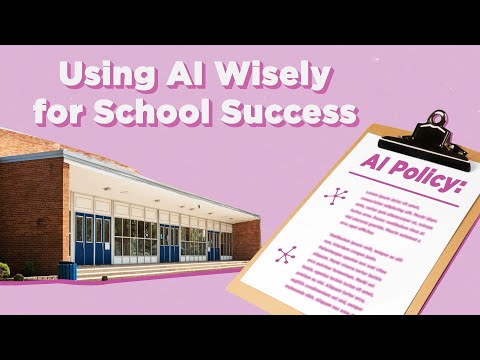 4 minutter
Brug AI fornuftigt til at klare dig godt i skolen
Common Sense Education. Common Sense Educations korte forklaring skelner, ligesom artiklen, mellem AI som studiehjælp og AI som en genvej, der springer læringen over.
Begynder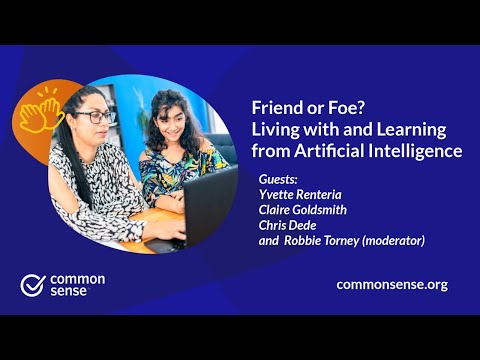 57 minutter
Ven eller fjende? At leve med og lære af kunstig intelligens
Common Sense Media. Common Sense Medias eget panel vurderer direkte risiciene ved AI-ledsagere til børn og understøtter artiklens advarsel mod AI-»venner«.
Ny inden for AI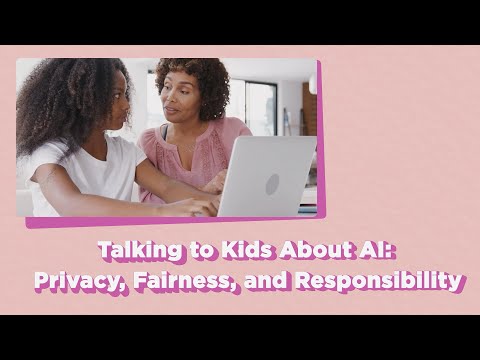 5 minutter
At tale med børn om AI: privatliv, retfærdighed og ansvar
Common Sense Education. Videoen giver en direkte og alderssvarende ramme for at tale med børn og teenagere om privatliv, retfærdighed og ansvar ved brug af AI. Den passer derfor godt til artiklens samtalevejledning.
Ny inden for AI 7 min læsning
Din AI er enig med dig for ofte: fire fejltyper hos tænkepartnere
AI kan hjælpe dig med at undersøge en beslutning, men den tager også din indramning for givet, belønner selvsikkert sprog og lokker dig til at overlade dømmekraften. Sådan opdager du hver fejltype.
Begynder 7 min læsning
Aktiv genkaldelse, fordelt øvelse og blandede opgaver – med AI i den rette rolle
Byg et praktisk studiesystem omkring tre forskningsbaserede læringsteknikker – to med stærk dokumentation og én med mere foreløbig støtte. AI forbereder spørgsmål og feedback; du genkalder stoffet og skelner mellem metoderne.
Begynder 7 min læsning
Hvorfor AI-forklaringer føles som læring — og ofte ikke er det
En flydende forklaring kan få et emne til at føles bekendt, før du faktisk kan bruge det. Disse tre tests viser, om AI hjalp dig med at lære, eller blot med at følge med.
Ny inden for AI 7 min læsning
Hvad du ikke bør delegere til AI: sæt din personlige grænse
Brug en praktisk grænsetest til at holde ansvar, relationer og vigtige færdigheder i menneskehænder, samtidig med at du får nyttig hjælp fra AI.
Begynder