
AI-litteracitet efter ålder
Åldersband, tillsyn och ett övervakat första samtal med barnet.
18 innehållsposter (15 artiklar · 3 videor)
Börja här
Börja med några rekommenderade innehållsposter innan du går igenom hela flödet.
 8 min läsning
AI-litteracitet efter ålder: vad du kan förvänta dig från 6 till 16
En åldersbandsmatris – runt 6, 10, 13 och 16 – för vad ett barn kan förstå om AI, hur mycket tillsyn det behöver och var produkternas verkliga åldersgränser ligger, utan att låtsas att någon ålder är en fast brytpunkt.
Ny inom AI 8 min läsning
Ett barns första AI-samtal: ett handledningsmanus
Ett steg-för-steg-manus för ett barns första övervakade AI-samtal, byggt kring ett källval, en källkontroll, en integritetspaus och en avslutande reflektion – kört på ett vårdnadshavarkontrollerat konto.
Ny inom AIMer i detta ämne
 8 min läsning
Uppfostra barn som förblir författare till sina egna liv
Regler om skärmtid i enskilda appar svarar på frågan ’hur mycket AI’. De svarar inte på den svårare frågan om vilka val, beslut, skapande handlingar och relationer som bör förbli barnets egna när AI blir ständigt närvarande i läxor, vänskapsappar och spel. Ett praktiskt ramverk med sex områden ger familjer och skolor en beslutsregel, inte bara en tidsgräns.
Mellannivå 7 min läsning
AI som läxhjälp eller fusk: ett beslutsträd utifrån lärandemålet
Ett beslutsträd för att avgöra när AI ger tillåtet stöd i läxarbetet och när verktyget ersätter det lärande som uppgiften ska bedöma — och varför skolans regler styr, inte familjens önskemål.
Nybörjare 7 min läsning
Använd AI som stöd för en neurodivergent elev utan att diagnostisera någon
Ett försiktigt sätt att utforska AI-stödda förändringar av format eller tempo tillsammans med eleven, läraren och den befintliga stödplanen — utan att diagnostisera barnet eller utgå från att befintliga anpassningar ska tas bort.
Nybörjare 9 min läsning
Om ett barn utsätts för en AI-deepfake: en plan för de första åtgärderna
Så agerar du under de första timmarna om ett barn har utsatts för en AI-genererad bild eller video: bevara bevisning på rätt sätt, minska spridningen, involvera barnet och kontakta plattformen, skolan eller myndigheter utan att ladda ned eller vidarebefordra olagligt innehåll.
Nybörjare 7 min läsning
Hanterar den här AI-produkten mitt barns personuppgifter säkert? En integritetschecklista
En checklista i sju punkter — åldersregler, insamling, lagringstid, användning för träning, delning, styrmöjligheter och radering — som underlag för att avgöra om en AI-produkt kan gå vidare till granskning, kräver skyddsåtgärder eller inte bör användas av ditt barn.
Nybörjare 6 min läsning
Ditt barn och AI: uppmärksamma relationen, inte bara tiden
Tid är en del av ett barns AI-användning. Den här icke-diagnostiska observationsguiden tar också upp aktivitet, anknytning, undanträngning, integritet och barnets upplevelse, och anger när oroande förändringar bör tas vidare till kvalificerad hjälp.
Nybörjare 6 min läsning
Ge inte ett barn en AI-vän: de röda flaggorna och vad du ska göra i stället
En rak hållning och sju konkreta röda flaggor – antropomorfism, hemlighetshållande, beroende, sexuellt innehåll, monetarisering, minne och utgångsfriktion – för varför AI-kompanjonappar inte är lämpliga för barn, plus ett lugnt sätt att ta upp det.
Ny inom AI 6 min läsning
Skriv ett familjeavtal om AI som barnen faktiskt var med och skrev
Ett hushållsavtal om AI med sju klausuler — konton, privata uppgifter, skolarbete, följeslagare, skapande, köp och att söka hjälp — som tas fram tillsammans med barnet, inte överlämnas färdigt.
Nybörjare 6 min läsning
Att prata med tonåringar om AI: ett tvåvägssamtal, inte en inspektion
En lyssna-först-samtalsguide för att prata med en tonåring om deras AI-användning – delade osäkerheter, verkliga gränser och ett konkret återbesöksdatum, utan att luta dig mot övervakning för att motivera frågorna.
Ny inom AI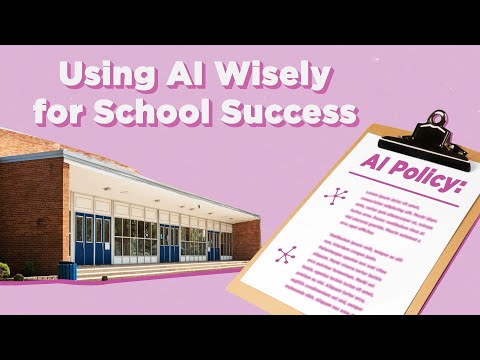 4 minuter
Använd AI klokt för skolframgång
Common Sense Education. Common Sense Educations korta förklaring gör ungefär samma åtskillnad som artikeln: AI som studiehjälp eller AI som genväg förbi själva lärandet.
Nybörjare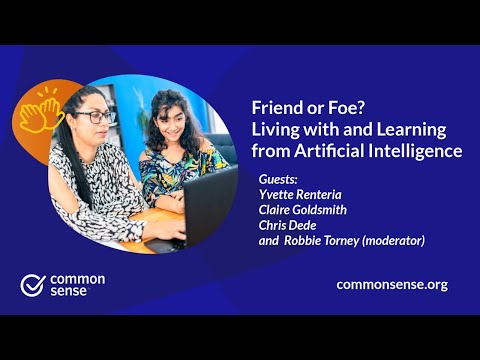 57 minuter
Vän eller fiende? Att leva med och lära av artificiell intelligens
Common Sense Media. Common Sense Medias egen panel väger direkt riskerna med AI-kompanjoner för barn och förstärker artikelns varning mot AI-”vänner”.
Ny inom AI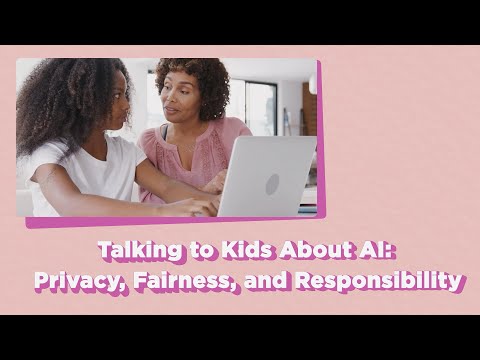 5 minuter
Att prata med barn om AI: integritet, rättvisa och ansvar
Common Sense Education. Ett direkt, åldersanpassat ramverk för att prata om AI-integritet och ansvar med barn och tonåringar, i linje med artikelns samtalsguide.
Ny inom AI 7 min läsning
Din AI håller med dig för mycket: fyra fellägen hos en AI-tankepartner
AI kan hjälpa dig att granska ett beslut, men den tar också över din inramning, belönar självsäkert språk och uppmuntrar dig att överlåta omdömet. Så upptäcker du varje fel.
Nybörjare 7 min läsning
Repetition med mellanrum, framplockning och blandad övning – låt AI göra rätt arbete
Bygg ett praktiskt studiesystem kring tre forskningsstödda inlärningsmetoder: två med starkt stöd och en med mer begränsat stöd. AI förbereder frågor och återkoppling; du står för framplockningen ur minnet och gör distinktionerna själv.
Nybörjare 7 min läsning
Varför AI-förklaringar känns som lärande – och ofta inte är det
En flytande förklaring kan få ett ämne att kännas bekant innan du faktiskt kan använda det. De här tre testen avslöjar om AI hjälpte dig att lära dig något eller bara att hänga med.
Ny inom AI 7 min läsning
Vad du inte bör delegera till AI: sätt din egen gräns
Använd ett praktiskt gränstest för att behålla ansvar, relationer och viktiga färdigheter i mänskliga händer och samtidigt få användbar hjälp av AI.
Nybörjare