

AI Literacy by Age
Age-band explanations, supervision, and a supervised first conversation with a child.
18 sisältöä (15 artikkelia · 3 videota)
Aloita tästä
Muutama hyvä aloitussisältö ennen koko sisältövirran selaamista.
 8 min lukemista
Tekoälylukutaito ikäryhmittäin: mitä 6–16-vuotiaalta voi odottaa
Noin 6-, 10-, 13- ja 16-vuotiaiden ikäryhmämatriisi auttaa arvioimaan, mitä lapsi voi ymmärtää tekoälystä, kuinka paljon valvontaa hän tarvitsee ja mitä ikärajoja tuotteet todella asettavat. Mikään ikä ei silti ole yksinään ehdoton kehityksellinen raja.
Uusi tekoälyn maailmassa 8 min lukemista
Lapsen ensimmäinen tekoälykeskustelu: ohjaajan keskustelurunko
Vaiheittainen keskustelurunko lapsen ensimmäiseen valvottuun tekoälykeskusteluun: lähteen valinta, väitteen tarkistaminen, tietosuojatauko ja lopun pohdinta huoltajan hallitsemalla tilillä.
Uusi tekoälyn maailmassaLisää tässä aiheessa
 8 min lukemista
Kasvata lapsia, jotka pysyvät oman elämänsä tekijöinä
Sovelluskohtaiset ruutuaikasäännöt vastaavat kysymykseen ”kuinka paljon tekoälyä”. Ne eivät vastaa vaikeampaan kysymykseen: mitkä lapsuuteen kuuluvat valitsemisen, päättämisen, luomisen ja ihmissuhteiden rakentamisen tehtävät pitäisi jättää lapsen itsensä tehtäviksi, kun tekoälystä tulee osa läksyjä, ystävyyssovelluksia ja pelejä. Kuuden osa-alueen toimintamalli antaa perheille ja kouluille päätössäännön, ei vain aikarajaa.
Keskitaso 7 min lukemista
Tekoäly läksyapuna vai huijaamisena: päätöspuu oppimistavoitteen mukaan
Päätöspuu auttaa erottamaan, milloin tekoäly tukee tehtävän harjoittelua ja milloin se korvaa oppimisen, jota tehtävän on tarkoitus arvioida. Koulun säännöt ratkaisevat, ei perheen oma mieltymys.
Aloittelija 7 min lukemista
Tekoälyn käyttö neurokirjon oppijan tukemiseen, diagnosoimatta ketään
Varovainen tapa kokeilla tekoälyavusteisia muodon tai etenemistahdin muutoksia yhdessä oppijan ja opettajan kanssa olemassa olevan tukisuunnitelman puitteissa – diagnosoimatta lasta tai purkamatta tukitoimia oletusarvoisesti.
Aloittelija 9 min lukemista
Kun lapsi joutuu tekoälyllä tehdyn deepfaken kohteeksi: ensitoimien suunnitelma
Mitä tehdä ensimmäisinä tunteina, jos lapsi joutuu tekoälyn tuottaman kuvan tai videon kohteeksi: säilytä todisteet turvallisesti, rajoita leviämistä, ota lapsi mukaan ja ilmoita alustalle, koululle tai viranomaiselle – lataamatta tai välittämättä laitonta sisältöä.
Aloittelija 7 min lukemista
Onko tämä tekoälytuote turvallinen lapseni tiedoille? Tietosuojatarkistuslista
Seitsemän kohdan tarkistuslista – ikäsäännöt, keruu, säilytys, koulutuskäyttö, jakaminen, hallinta ja poisto – jonka avulla dokumentoit, mitä tekoälytuotteesta tiedetään ja mitä ei, ennen kuin lapsen tietoja luovutetaan sille.
Aloittelija 6 min lukemista
Lapsesi ja tekoäly: seuraa suhdetta, ei vain kelloa
Aika on vain yksi osa lapsen tekoälyn käyttöä. Tämä havainnointiopas ei ole diagnostinen, vaan tarkastelee myös toimintaa, kiintymystä, muiden asioiden syrjäytymistä, yksityisyyttä ja lapsen omaa kokemusta. Huolestuttaviin muutoksiin tarvitaan pätevää apua.
Aloittelija 6 min lukemista
Älä anna lapselle tekoälyystävää: varoitusmerkit ja turvallisemmat vaihtoehdot
Selkeä kanta ja seitsemän konkreettista varoitusmerkkiä — inhimillistäminen, salailu, riippuvuus, seksuaalinen sisältö, rahastus, muisti ja käytön lopettamisen vaikeuttaminen — sille, miksi tekoälykumppanisovellukset eivät sovi lapsille, sekä rauhallinen tapa ottaa asia puheeksi.
Uusi tekoälyn maailmassa 6 min lukemista
Laadi perheen tekoälysopimus yhdessä lastesi kanssa
Perheen tekoälysopimus käsittelee seitsemää asiaa: tilejä, yksityisiä tietoja, koulutyötä, seuralaissovelluksia, luomista, ostoksia ja avun hakemista. Se laaditaan yhdessä lapsen kanssa, ei ojenneta hänelle valmiina.
Aloittelija 6 min lukemista
Teini-ikäisten kanssa tekoälystä: kaksisuuntainen keskustelu, ei tarkastus
Kuuntelemiseen perustuva opas teini-ikäisen tekoälyn käytöstä keskustelemiseen: yhteiset epävarmuudet, selkeät rajat ja sovittu päivä asian uudelleen käsittelylle ilman kysymysten perustelemista valvonnalla.
Uusi tekoälyn maailmassa 4 minuuttia
Käytä tekoälyä viisaasti koulunkäynnin tukena
Common Sense Education. Common Sense Educationin lyhyt video asettaa saman perusrajan kuin artikkeli: tekoäly voi tukea opiskelua, mutta se ei saa tarjota oikotietä, joka ohittaa oppimisen.
Aloittelija 57 minuuttia
Ystävä vai vihollinen? Elämää ja oppimista tekoälyn kanssa
Common Sense Media. Common Sense Median oma paneeli punnitsee suoraan tekoälykumppanien lapsille aiheuttamia riskejä ja tukee artikkelin varovaista linjaa tekoäly-”ystäviin”.
Uusi tekoälyn maailmassa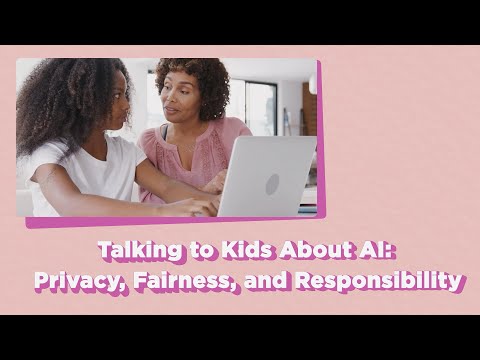 5 minuuttia
Tekoälystä puhuminen lapsille: tietosuoja, oikeudenmukaisuus ja vastuu
Common Sense Education. Video tarjoaa selkeän ja ikätasolle sopivan kehyksen tekoälyn tietosuojasta ja vastuullisesta käytöstä keskustelemiseen lasten ja nuorten kanssa. Se täydentää artikkelin keskusteluohjetta.
Uusi tekoälyn maailmassa 7 min lukemista
Tekoälysi myötäilee liikaa: neljä ajattelukumppanin epäonnistumistapaa
Tekoäly voi auttaa tarkastelemaan päätöstä, mutta se myös perii kehystyksesi, palkitsee itsevarmaa tekstiä ja houkuttelee huomaamatta ulkoistamaan harkinnan. Näin tunnistat nämä neljä sudenkuoppaa.
Aloittelija 7 min lukemista
Hajautettu harjoittelu, mieleenpalautus ja vuorottelu, kun tekoäly tekee oikean työn
Rakenna käytännön opiskelujärjestelmä kolmen tutkimusnäyttöön nojaavan oppimistekniikan ympärille: kahdella niistä on vahva näyttö, kolmannella varovaisempi. Tekoäly valmistelee kysymykset ja palautteen; sinä teet mieleenpalautuksen ja erottelun.
Aloittelija 7 min lukemista
Miksi tekoälyn selitykset tuntuvat oppimiselta, vaikka eivät usein ole sitä
Sujuva selitys voi tehdä aiheesta tutun tuntuisen jo ennen kuin osaat käyttää oppimaasi. Näillä kolmella testillä selviää, auttoiko tekoäly sinua oppimaan vai ainoastaan seuraamaan selitystä.
Uusi tekoälyn maailmassa 7 min lukemista
Mitä ei pidä ulkoistaa tekoälylle: määritä omat rajasi
Käytä käytännön rajatestiä, jolla pidät vastuun, ihmissuhteet ja tärkeät taidot ihmisen käsissä ja saat silti tekoälystä oikeaa hyötyä.
Aloittelija